Female Pattern Hair Loss
What Is Female Pattern Hair Loss?
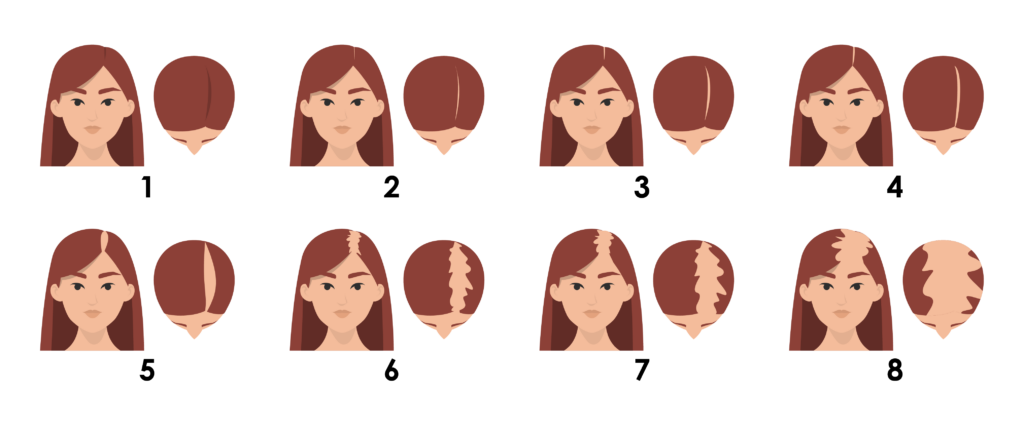
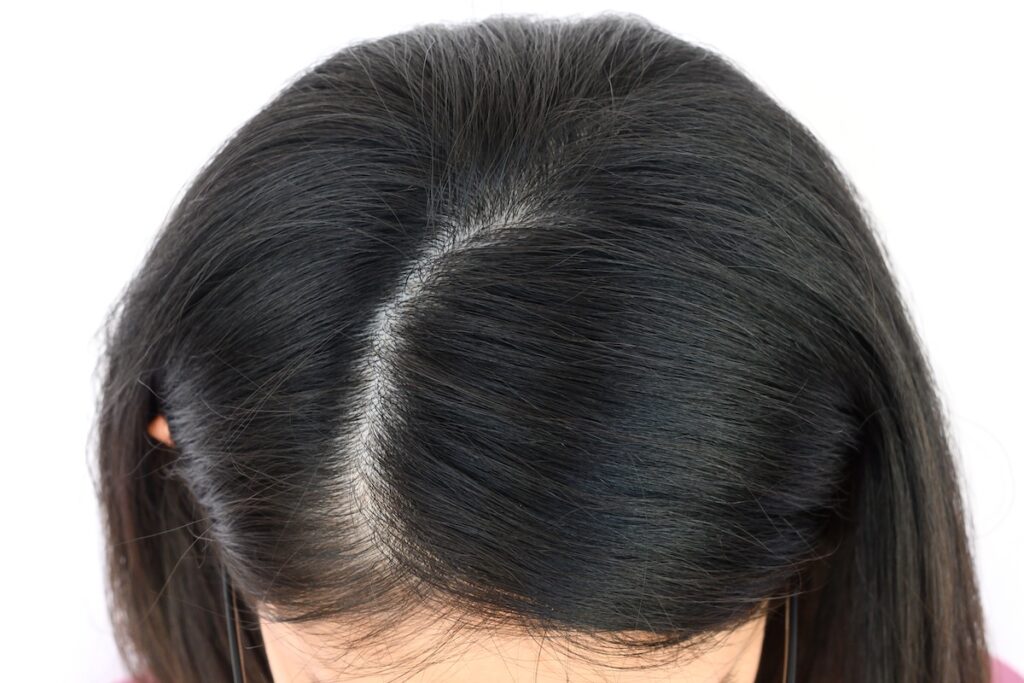
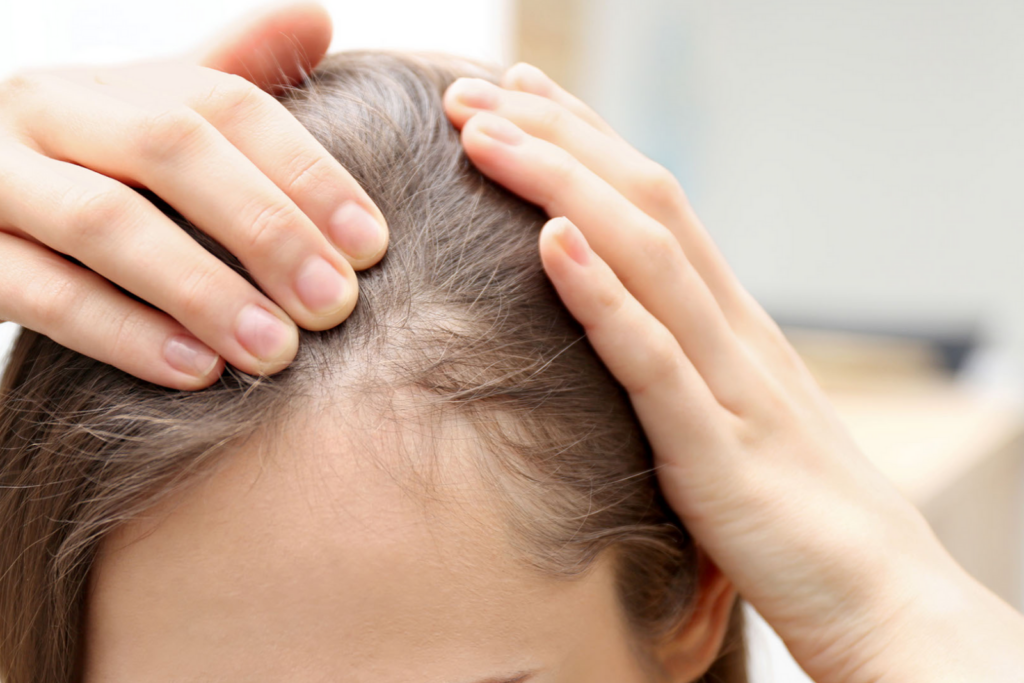
Female pattern hair loss, also known as female androgenetic alopecia, is a common condition characterised by diffuse hair thinning over the crown and widening of the part line while typically preserving the frontal hairline.
It is primarily influenced by genetic predisposition and hormonal factors, including sensitivity of hair follicles to androgens, which leads to gradual miniaturisation of hair and reduced hair density over time.
This condition can be triggered or worsened by factors such as ageing, hormonal changes (e.g. post-pregnancy or menopause), stress, and nutritional deficiencies. Early signs often include increased hair shedding, reduced volume, and difficulty maintaining hair thickness. Early diagnosis and appropriate treatment are essential to slow progression and promote healthier, fuller-looking hair.
It is primarily influenced by genetic predisposition and hormonal factors, including sensitivity of hair follicles to androgens, which leads to gradual miniaturisation of hair and reduced hair density over time.
This condition can be triggered or worsened by factors such as ageing, hormonal changes (e.g. post-pregnancy or menopause), stress, and nutritional deficiencies. Early signs often include increased hair shedding, reduced volume, and difficulty maintaining hair thickness. Early diagnosis and appropriate treatment are essential to slow progression and promote healthier, fuller-looking hair.
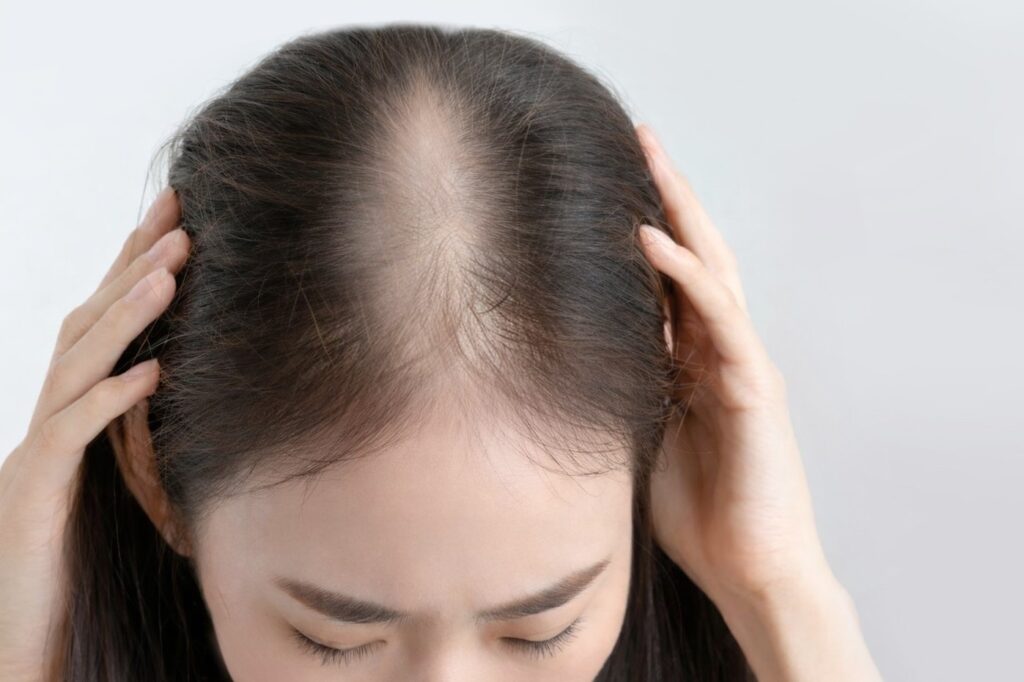
Why It Happens?
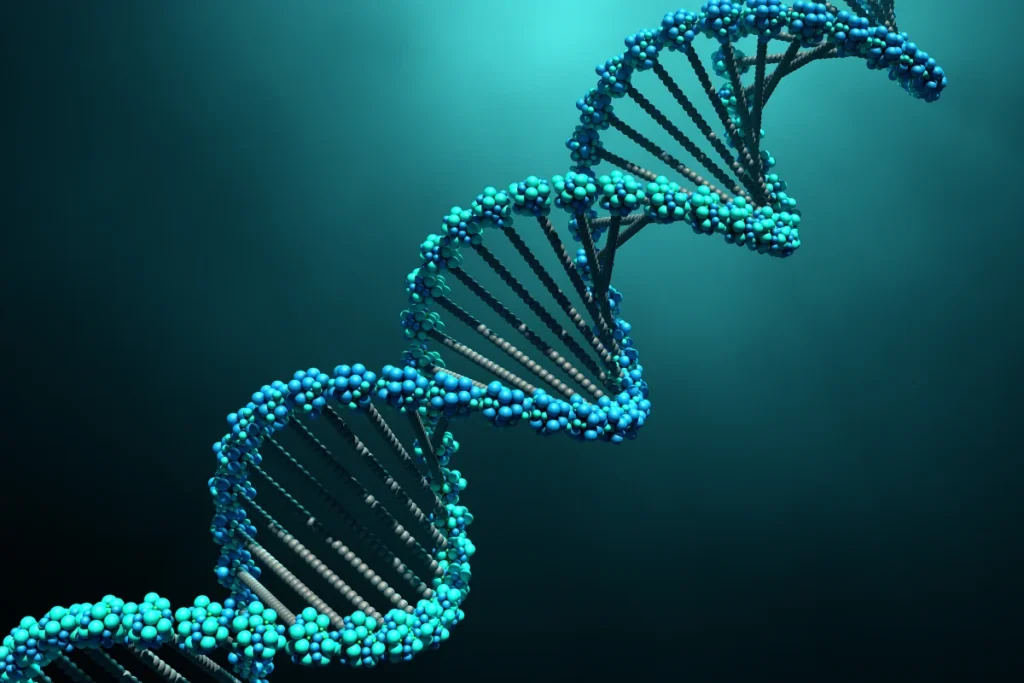
Genetic Factors
Female pattern hair loss (female androgenetic alopecia) is largely influenced by genetics. Women with a family history of hair thinning or pattern hair loss are more likely to experience this condition. In genetically predisposed individuals, hair follicles are more sensitive to hormonal effects, leading to gradual miniaturisation. Over time, this causes hair strands to become finer, shorter, and less pigmented, resulting in visible thinning, especially over the crown and part line.
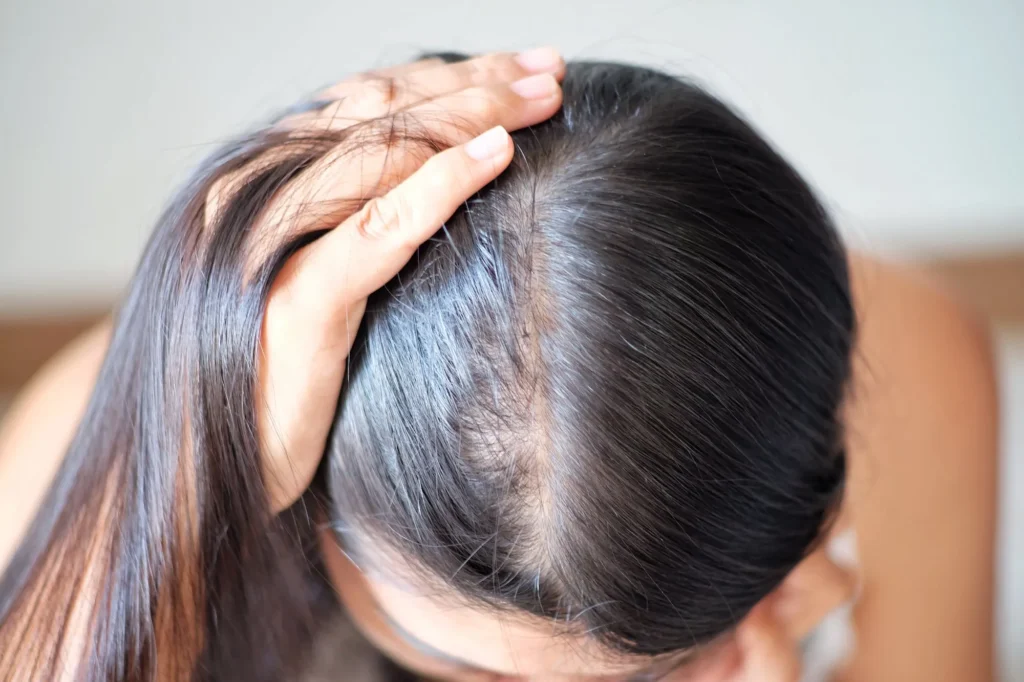
Hormonal Factors
Hormonal imbalance plays a key role in female hair loss. Increased sensitivity to androgens (male hormones present in small amounts in women) can disrupt the normal hair growth cycle and shrink hair follicles. Hormonal fluctuations during major life stages—such as after pregnancy, postpartum period, menopause, or conditions like polycystic ovary syndrome (PCOS)—can trigger or worsen hair thinning. These changes can lead to increased hair shedding and reduced hair density.
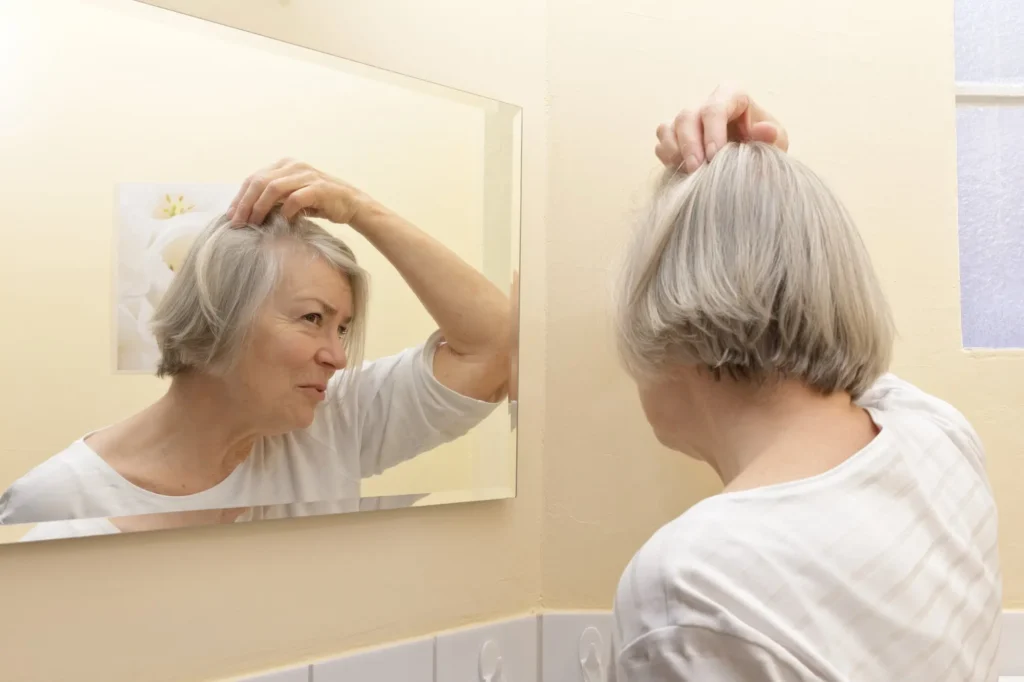
Aging Factors
As women age, the hair growth cycle naturally slows down, and hair follicles become less active. This results in slower hair regrowth, finer hair strands, and decreased overall hair volume. Aging also makes hair more vulnerable to hormonal influences, which is why female pattern hair loss often becomes more noticeable over time.

Lifestyle and Environmental Factors
Certain lifestyle factors can accelerate or exacerbate female pattern hair loss. Chronic stress, poor diet, lack of essential nutrients (such as iron, protein, and vitamins), inadequate sleep, and harsh hair practices can weaken hair follicles and disrupt healthy hair growth. While these factors may not directly cause androgenetic alopecia, they can worsen the severity and speed of hair thinning.
Scalp Health Factors
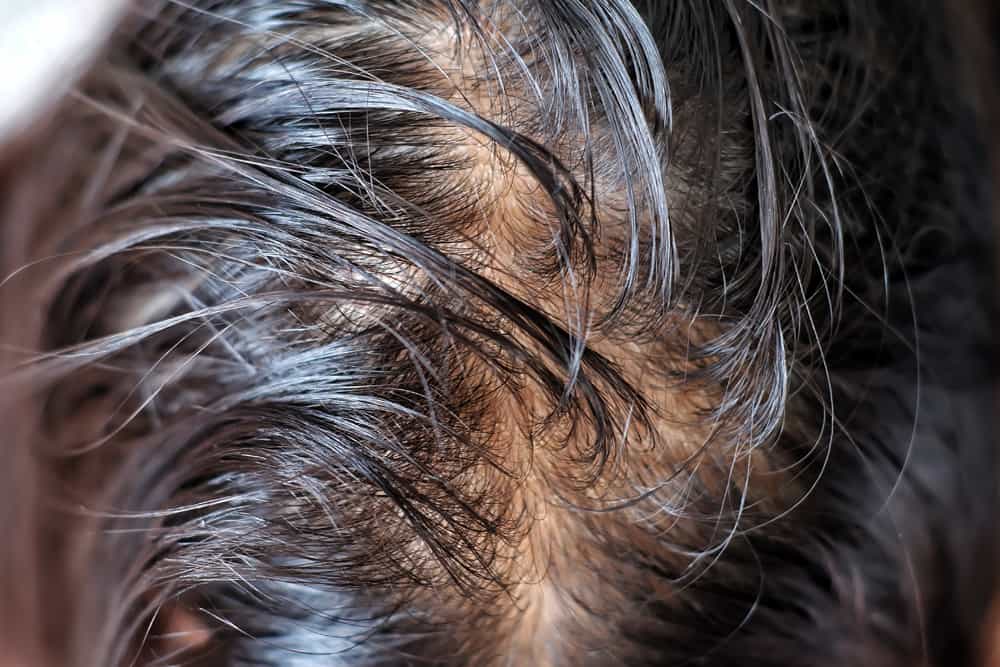
A healthy scalp is essential for optimal hair growth. Conditions such as excess oil production, scalp inflammation, dandruff, or poor scalp circulation can negatively impact hair follicles. An unhealthy scalp environment may hinder nutrient delivery to hair roots, making it more difficult for hair to grow strong and thick, and potentially accelerating hair thinning.
Stages of Hair Loss
What You May Notice
Widening of the part line
Reduced overall hair volume
Hair that feels finer or flatter
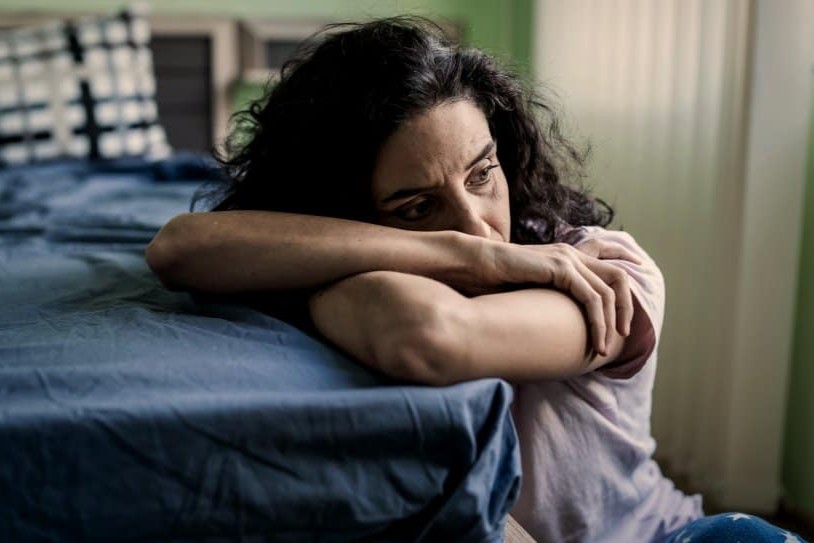
Lowered self-confidence
How We Can Help You
At Hair Growth Expert, we understand that every scalp condition and type of hair loss is unique. That’s why we offer a comprehensive range of professional hair growth treatments and specially formulated products designed to address various concerns, including androgenetic alopecia (male and female pattern hair loss), hair thinning, scalp sensitivity, and excessive hair shedding. Our solutions combine medical-grade options with non-medical, technology-based therapies to support scalp health, strengthen hair follicles, and promote optimal hair regrowth in a safe and effective way.
For the best results, we strongly recommend you to come to our hair growth centre for a personalised scalp analysis using advanced diagnostic methods. This allows our experienced hair growth specialists to accurately assess your scalp condition, identify the underlying causes of hair loss, and customise a targeted treatment plan tailored to your specific needs and hair goals. Early diagnosis and a customised approach are key to slowing hair loss progression and achieving long-term, visible improvement.
If you would like to learn more about our professional hair and scalp treatments, feel free to visit our outlet for a consultation or reach out to our team for expert advice and personalised guidance on your hair growth journey.
For the best results, we strongly recommend you to come to our hair growth centre for a personalised scalp analysis using advanced diagnostic methods. This allows our experienced hair growth specialists to accurately assess your scalp condition, identify the underlying causes of hair loss, and customise a targeted treatment plan tailored to your specific needs and hair goals. Early diagnosis and a customised approach are key to slowing hair loss progression and achieving long-term, visible improvement.
If you would like to learn more about our professional hair and scalp treatments, feel free to visit our outlet for a consultation or reach out to our team for expert advice and personalised guidance on your hair growth journey.
Why Choose
Us
Hair Growth Expert specialises in targeted solutions designed around your hair concerns. We believe every hair condition is different, which is why we begin by understanding your scalp, lifestyle, and expectations before recommending any treatment.
Expert Guidance
Every recommendation is made by certified specialists, based on a careful assessment of your hair and scalp.
Advanced Technology
Our therapies combine modern technology with expertly recognised approaches to hair care.
Full Support
We provide continuous care and guidance, so you feel supported from the first visit onward.


Hair getting thinner before. After few sessions, less hair fall.
Noticed my hair part getting wider. Tried treatment here, slowly see improvement. Staff also friendly.
Rambut dulu nipis, sekarang nampak lebih volume sikit. Good service.
Hair fall reduced after treatment. Comfortable experience.
之前头发越来越薄,做了几次后掉发减少了,感觉不错
Frequently Asked Questions (FAQs)
At what age does Female Pattern Hair Loss usually start?
Female Pattern Hair Loss can start as early as the 20s or 30s, but it becomes more common after the age of 40 due to hormonal changes. However, genetics and lifestyle factors can cause it to appear earlier in some women.
Is Female Pattern Hair Loss permanent?
Female Pattern Hair Loss is usually a long-term condition, but with early treatment, the progression can be slowed down and hair density can be improved. Many patients are able to regrow thicker and healthier hair with proper medical treatment.
How do we diagnose Female Pattern Hair Loss?
Usually diagnose Female Pattern Hair Loss through a scalp examination, medical history review, and hair pattern assessment. In some cases, blood tests or scalp analysis may be recommended to rule out other causes of hair loss.